


February is National Cat Health Month! There’s no better time to spread the word on ways to help cats and kittens thrive wherever they call home.
Alongside bringing your indoor cats to regular veterinary check-ups, here are Alley Cat Allies’ top tips to protect cats’ health:
1. First and Foremost: Spay and Neuter

The health benefits of spay and neuter for cats are well-documented and truly lifesaving. Spaying and neutering cats stops the breeding cycle, prevents the stresses of mating and pregnancy, and significantly lowers a cat’s risk of developing reproductive diseases and cancers.
For community cats outdoors, spay and neuter should always be part of Trap-Neuter-Return (TNR). TNR is the ultimate community cat health program, ensuring cats are spayed or neutered, eartipped, and returned to their outdoor homes. It’s also the number one way community cats receive important vaccinations.
TNR doesn’t just provide critical health benefits to community cats—it saves their lives. Community cats are generally not socialized to people or adoptable, so they are at high risk of being killed if impounded in animal shelters. That’s where TNR comes in. Rather than ever seeing the inside of a shelter cage, community cats head straight to the veterinarian and then back to the outdoor homes where they thrive.
To find resources near you for low-cost spay and neuter, search the Alley Cat Allies Community Resource ToolTM.
2. Learn How to Help a Sick or Injured Cat Outdoors

Community cats live long and healthy lives in their outdoor homes (and can live as long as cats indoors!). But in the event they are ill or wounded, immediate action is vital.
Fulfilling the health needs of community cats follows the same basic principles as for indoor cats, but with different approaches. For example, while the cat in your lap may accept her medication right out of your hand, providing the same medication to a community cat requires a more hands-off tactic.
The key is to meet a cat where they are, and respect their natural instincts and degree of socialization to people.
Alley Cat Allies’ new How to Help Sick or Injured Cats Outdoors guide walks through the steps to providing medical care for a community cat. You’ll learn how to:
- Determine if emergency medical care is needed.
- Swiftly and safely bring a community cat to the veterinarian.
- Find affordable veterinary care.
- Develop a long-term recovery plan for community cats.
- Medicate cats who are not socialized to people.
- Take preventative measures against common health concerns for community cats.
- And more!
3. Keep the Unique Health Needs of Kittens in Mind

The chill of February will give way to the warmth of spring before we know it! The spring and summer months are also the time of year cats most often give birth to kittens. In other words, it’s kitten season.
In the fragile first weeks of kittens’ lives, they depend on the round-the-clock nurturing of their mother cat. The best way to protect their health is to Leave Them BeTM in mom’s care. That includes if the kittens are found outdoors.
However, if young kittens are separated from their mother, they need people to fill that gap in care. To help advocates learn the ropes of kitten care, we launched our newest resource: The Kitten Protection Guide!
Inside, you’ll find:
- A guide to kitten healthcare, including the signs of an immediate medical emergency.
- A walkthrough on how to help kittens outdoors, detailing common scenarios.
- A rundown on caring for neonatal kittens (kittens less than 4 weeks old), with information on how to bottle feed, keep kittens warm, and more.
- Our How Old Is That Kitten? Guide, including visuals of kittens at every important stage of growth and details on the unique care they need.
You can grab your own Kitten Protection Guide in our shop. Or, download and share the free PDF version to have lifesaving kitten health information at your fingertips.
4. Make Sure All Cats Are Microchipped
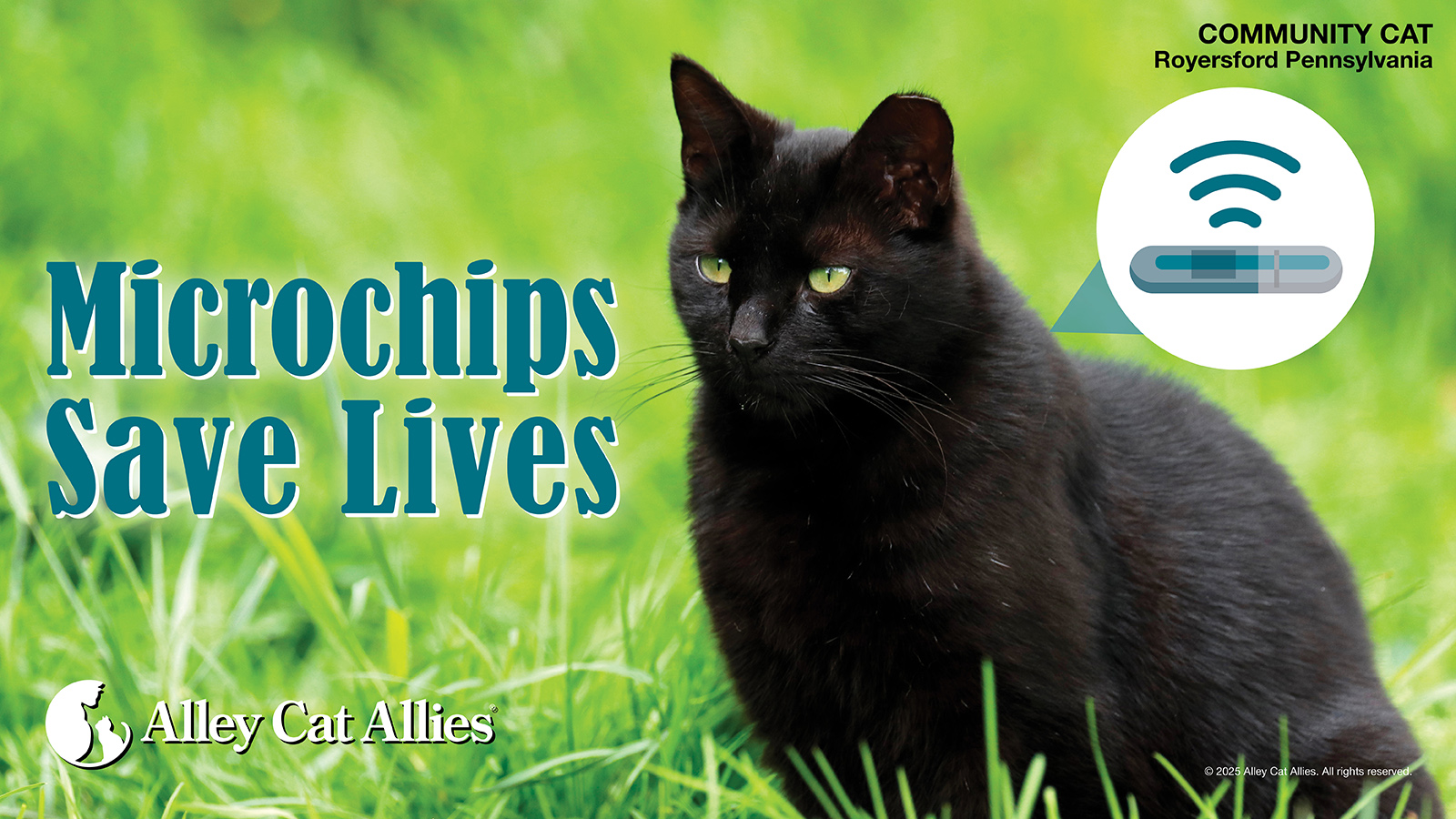
A microchip may be tiny, but don’t underestimate its lifesaving power! By ensuring cats are microchipped, including community cats, you help ensure they can come home if they are lost.
If a cat is impounded in a shelter, a scan of her microchip could just be the difference between life and death. Not to mention the mental and emotional health benefits of bringing a cat back to her home—for the cat and her family!
So this month, if you can, microchip every cat in your care. Encourage your family, neighbors, and fellow advocates to do the same. Don’t forget to register your information and keep it up to date!
5. Learn How to Speak Cat
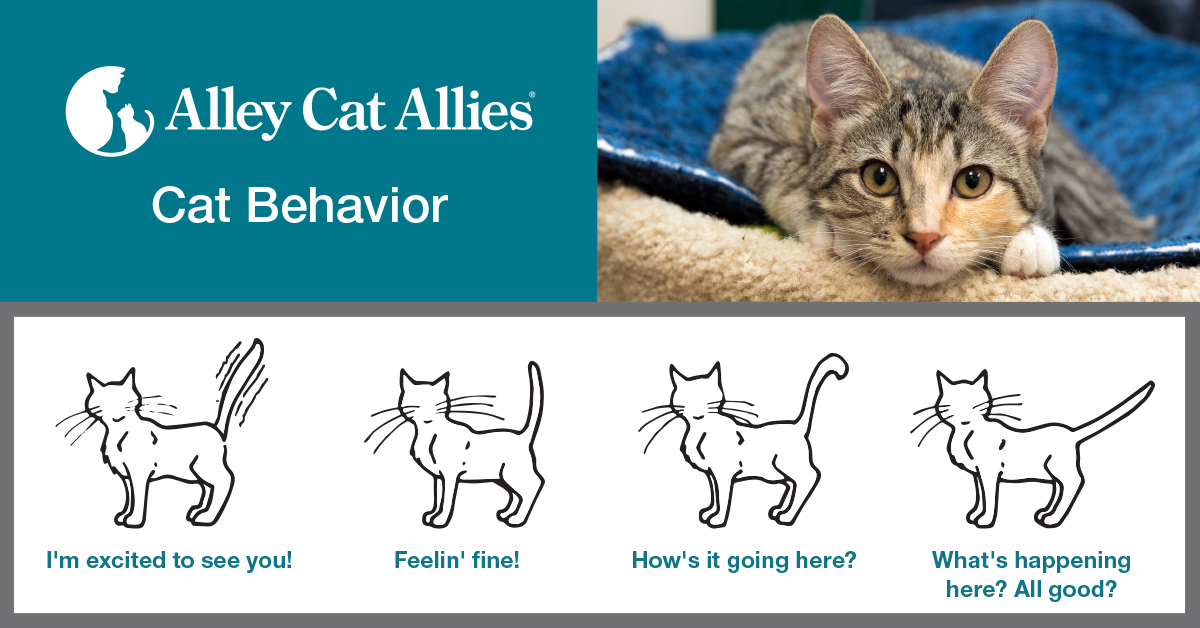
Not only will understanding cat communication and body language help you meet the mental and emotional health needs of your cat, but it can also help you detect health problems early.
Cats have a unique language all their own—and body language is a key element. We’ll help you “speak cat” with our Visual Guide to Cat Body Language.
Our Cat Behavior Webinar Series is also here to illuminate common behaviors in cats and how to improve a cat’s health and happiness by understanding her instincts.
More Resources to Protect Cats’ Health
- How microchips save cats’ lives
- How to prevent and address poisoning
- How to help community cats stay healthy and comfortable in summer and winter
- How to prepare to protect cats in the event of disaster